All Posts By

Ashlie Webb

Our Multi-Sensory Adventure To Strangler Cairn

By | Development Theory, Nature to Nurture

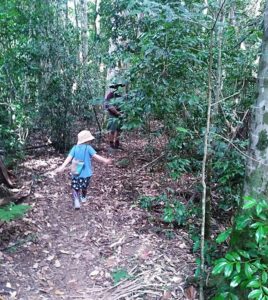
Hidden deep in Conondale National Park is an interesting egg shaped cairn, designed and constructed by British sculpture artist Andy Goldsworthy. We were keen to check it out and embarked on the circular walk with our 3.5 yr old and 6 month old. The walk was mainly forest walking, perfectly shaded with just the right amount of diversity in terms of hills, steps, winds and log climbs to keep us all interested.

The walk starts and ends at the Booloumba Day Use Carpark near the information sign. To arrive here there are 3 creek crossings so a 4×4 is recommended. We took our time and enjoyed the journey, covering the full 6.5km circuit. Although the walk suggested a completion time of 2.5 hours, we took over 3 and ended with a dip in the river at the Booloumba Creek Day Use area.
Strangler Cairn

We set the scene for the walk prior to leaving by making up an imaginary quest story to find a mystery egg. Our 3.5 yr old drew her own map of what she thought we would encounter on the quest and how we were going to locate the egg. We collected sticks along the route and pretended they were bow and arrows to keep us safe and warn off enemies who may try to stop us in our tracks! She climbed fallen trees crossing our path, swung on strangler fig vines and looked for animal tracks along the way.
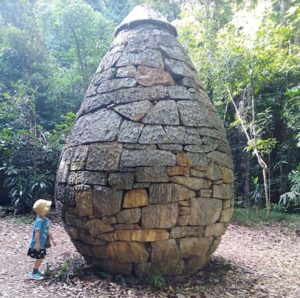
Our Trip to Strangler Cairn

Although the walking tracks are easily accessible I would not recommend taking a pram as some parts are narrow and there are quite a few fallen trees to scramble over. We took two lightweight baby carriers for the girls which worked well, particularly for the return journey when Miss F’s legs were tired. The creek is beautiful in the afternoon and perfect for a safe paddle for little ones due to the calm, clear water and shallow areas. If you are looking for a manageable nature walk to shake of the cobwebs after self isolation then be sure to visit the Strangler Cairn. Further information can be found at this Weekend Notes review or at Aussie Bushwalking.

Why Create More Mess?

By | Development Theory

sensory play - painting

As soon as your toddler can move independently to explore the world around them, you seem to find yourself chasing, picking things up, tidying and avoiding situations which could lead to ‘mess’! But why do we avoid this chaos so much?!

The term ‘mess’ is often viewed negatively and is associated with having to do extra and often unnecessary ‘work’. Therefore its benefits are often undervalued. As a result, providing opportunities to play that could result in mess can seem daunting and to be avoided. I too can sometimes be one of those parents! ‘Let’s paint!’ I hear her say, whilst I quickly move away everything from the paints path! This type of request is usually left for outside the home and I am never too far away whilst she plays. I often find that in this early stage of development (my daughter Fern is two), anything I set up for her is almost instantaneously rearranged, poured, spilt and mixed so I begin to question; 

Is it really worth the effort?

Bear Hunt Sensory Play


Why Is Messy Play So Important?


Messy Play, also referred to as Sensory Play, is 100% worth the effort, particularly in the early stages of your child’s development. In early life, babies and young children rely on their sensory input to learn about their environment. Vital neurological pathways are built whilst they engage in sensory exploration, supporting their development of thought, language and creativity. Simply playing and investigating unstructured activities stimulates their senses, supports their ability to interact socially with their peers, problem solve and help give reason to certain situations.

Many sensory-based activities provide opportunity to practice and build upon fine and gross motor skills such as:

1. Squeezing
2. Squashing
3. Grasping and using the pincer grip

Activities promote the introduction and later use of mathematical language and concepts such as size, weight, shape and quantities.

How Do Learning Beyond Walls Get Messy?


All children need mess in their lives on a regular basis so every workshop I prepare is jammed packed full of it! Sensory play is focal to our Stay and Play sessions each week. A shared story from quality literature ignites the fire and fuels a craft idea (usually messy too), and as a result explodes into a small world, a sensory journey that all the children become a part of. They are given time to explore, imagine and create on their own, with their peers or other adults willing to try too. Our workshops always have a sensory, messy play element which supports children’s’ learning and understanding, linking to necessary real life experiences. This ‘hands on’, or ‘in’, approach enables learning to move to another level.

children painting sensory play


Want some ideas?! Let’s get messy!


♦ Choosing a book is always a great starting point. Take from this key characters or concepts that can be creatively expanded upon. Providing children with tactile resources to recreate parts of the story helps them recall or take the story further and retell their own story with a similar theme. Providing ‘loose parts’ gives the child opportunities to use their imagination and give the ‘part’ a new purpose within their play.

good book for sensory play

♦Incorporate the 5 senses: Consider how the play experience will involve the five senses to help you decide what materials and tools you will need. Often these can be found in and around the home for little effort and cost.

Sensory activities that involve multiple senses at the same time are more engaging and exciting. When designing my Stay and Play sessions I always think about these two steps:

  1. Imagine you have never experienced the taste, texture or smell of an object before
  2. Decide what you would need in order to learn about it.

Coloured cornflour and water makes an interesting ‘slime’, it behaves in different ways depending on how you interact with it and what tools you use. This is a problem solving delight for a child experiencing it for the first time!

painting sensory play


Creating small worlds linked to the stories allows your child to make sense of the world and their environment. Carefully choosing materials that correspond closely to the ‘real thing’ can give children new experiences, ones they may not otherwise have at this stage in their life. Mixing together hot and cold, slimy and dry, spiky and smooth enables a developing awareness of similarities and differences.


More Ideas!


For more sensory play inspiration check out our Instagram or our Stay & Play session overview. 

Want to book a Stay & Play place? 

Click on the booking link below and reserve your place! Every Monday & Thursday 9am  – 11am

To Be or Not To Bee?! A Quick Guide To Homophones, Homographs & Homonyms

By | Resources

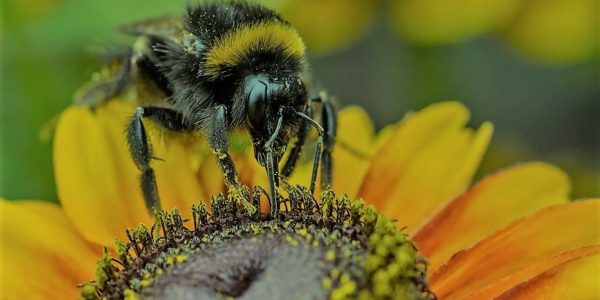
a bee

When words sound the same but mean something completely different choosing the right one in a sentence can be a frustrating experience


There or their? Blew or blue? It’s a tough ask to decipher when writing a word for the first time! Homophones, Homographs and Homonyms are an added layer of complexity to learning a language that often bamboozle children when getting to grips with growing their vocabulary. So what are they and what are the best ways to navigate them?

What Is A Homophone, Homograph & Homonym?

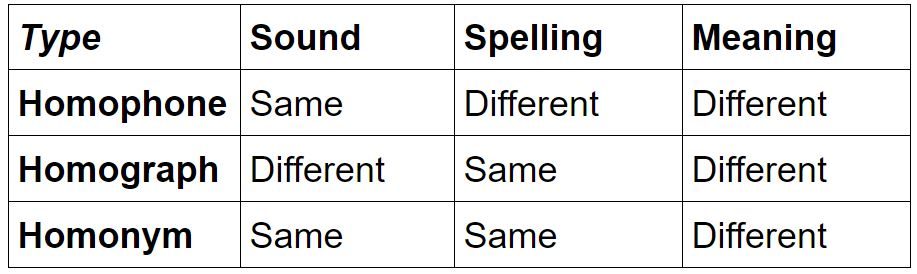
A homophone is a word that sounds the same as another but has a different meaning and spelling.

A homograph is when words are spelled the same, but sound differently and have a different meaning.

A homonym is when two words sound the same, are spelled the same but have a different meaning.

Common Examples


Homophones


There, Their and They’re

Flower and Flour

Tee and Tea

Homographs


Bass (fish) and Bass (sound)

Fine (quality) and Fine (expense)

Row (line) and Row (argument)

Homonym


Rose (flower) and rose (past tense of rise)

Bark (dog) and Bark (Tree)

Spring (the season) and Spring (a metal coil)

So What’s The Problem?


Picking the correct version in a sentence can be a tough call!

When using homophones or homonyms in speech it is relatively easy to understand which version of the word is being used due to the context of the conversation. For example if somebody is referring to how their garden blossoms in Spring they are more likely referencing the plant “flower” than the white stuff we bake a cake with. The difficulty arises for children when they have to rely on phonetics and previous conversations to build sentences without having had exposure to the variety of spellings and subsequent meanings in written form. What makes sense spoken does not translate so easily to paper.

flour vs flower

How To Teach Homophones, Homographs & Homonyms

The bad news is there are no shortcuts! Exposure to a breadth of types is the best way to equip your child with the intricacies of the English language and help them choose the right spelling and version in the appropriate context.

Below are a few tricks to make this as easy, and fun, as possible:

    • Keep a list over time: As your child expands their vocabulary and experience more examples, encourage them to keep a list of all their findings for later reference. Rather than frustration, they will embrace the “game’ of decoding homophones, homographs and homonyms and will grow in confidence as they begin to choose the right one.


    • Quizzes & Crosswords: There are an abundance of online resources that can help your child get to grips with their complexities and use in writing. Set aside 15 minutes a day to test their knowledge


  • Make it a game: Create comprehension games that let them fill in the blanks. By providing all potential spellings with a sentence example, this helps your child understand their use in a particular context and builds up their exposure to more varieties.

Final Word

With anything, practise makes perfect and the greater exposure your child has to as many different types of homophones, homographs and homonyms the quicker they will learn. Learning should be fun, so place less emphasis on being “wrong” and more on how silly the English language can be at times!

Want more info?

Get in touch below or at hello@learningbeyondwalls.com with any questions & queries!

The Little Things That Add Up

By | Nature to Nurture, Resources

stick counting game

How To Introduce Counting To Your Toddler In Fun & Exciting Ways!

The surrounding world is a fascinating and complex place, jammed-packed with new adventures and lessons that envelope our conscience. Now try to remember what this world is like as a 2 year old – how exciting and rewarding it is when behind every door awaits a new concept and lesson to be learned.

But with new experiences comes the need to learn new skills to express and share what we have learned to those that surround us – otherwise we become frustrated. Speech is one of the fundamental communication essentials that allow us to express what we are thinking, feel, want and need. The ability to numerically quantify a volume, or count, is another. It helps us make sense and communicate what we want.

Make Counting Exciting With Interactive Multi-Sensory Games


Toddlers may find learning to count a challenging experience. Playing, however, is fun and exciting and provides the predominate activity to learn. Joining the dots between the two helps your little one engage with counting and enjoy the discovery of each new step and each new number. Creating interactive games that build the recognition of number patterns whilst growing multi-sensory skills help make learning  intriguing and impelling.  

Our Favourite DIY Counting Games

  1.Sticks & Plasticine  / Sand

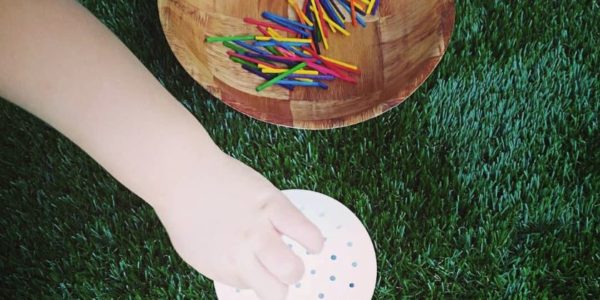
Bring the outdoors in or adventure to the beach by creating a simple stick counting game. Make the game more challenging by creating different sized holes in a wooden block, improving your child’s hand  / eye coordination and decision making skills.

Wooden Counting Game
2. Homemade Counting Cards 

Break out the pens or paint and craft counting cards with your toddler, letting them choose the design and shape (however abstract this may be!). Order the cards and play matching games with animals or objects from the world that surrounds them to expand their vocabulary. To get started check out these free printable “Match & Count” cards (courtesty of PowerfulMothering.com). 

3. Buttons!

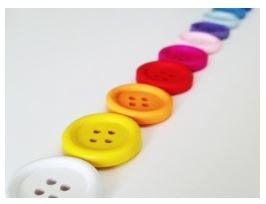
Raid the sewing kit and dig out the buttons, creating patterns and ordering in colour sequences. Safety is always a priority so supervision is really important to make sure they remain on the mat and not in their mouth!

count with buttons
4. Make Bath Time Count

Foam numbers float, stick to tiles and help to make bath time a space to learn.

5. Get Active with A Chalk Hopscotch

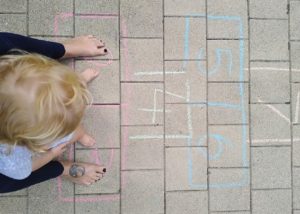
Draw out a hopscotch and count each step. As your child develops get them to add the numbers together as they hop between the steps.

hopscotch
6. Hit The High Notes With Classics!

Rhymes, fingerplays and action songs play a fundamental role in helping your child learn and remember the relationships between numbers.  Every one loves Five Speckled Frogs, 5 Little Ducks and The Ants Go Marching (but maybe not after the 5th hour!)

Practise Little & Often


With any new concept or skill overloading your little one will make the game forced and they will soon become uninterested. Playing little and often and rotating the games keeps things fresh and matches their ability level  / interests to the activity as they grow.

At this stage it’s all fun and games so keep it that way and enjoy the journey with them.

Want more info?

Get in touch below or at hello@learningbeyondwalls.com with any questions & queries!

It’s Child’s Play!

By | Development Theory, Nature to Nurture

2 toddlers finger painting

The Importance Of Socialisation & Making Friends In Your Child’s Development

Your child is like a sponge. From early years to adolescence, interactions with those around them help to form an understanding about social norms and behaviour – helping them make friends, learn and have fun! Subsequently socialisation through exposure to different people plays a pivotal role in in your child’s development and influences their ability to learn about the wider world.

The Importance of Child Socialisation in The Early Years


The fundamental point of socialisation is for your child to be able to function successfully in a social community – “success” in this context being the ability to communicate and remain relaxed in a social environment. Naturally parents, siblings and the wider family are often the first exposure a baby has to other human beings, the differences in other people’s behaviour and personality. From their first months, recognition of your voice and face, rewarded with a smile, form the basis of initial interactions and being the process of socialisation (and brighten your day)!

Babies playing on mat
Introducing additional people to this mix is important to help your little one adapt comfortably to different social groups, changing environments and cope with children of the same age that all demanding the same thing – attention!

Socialisation within the early years (0-4) brings the following benefits:


    • Begin to converse with children their own age (rather than with their parent) – this brings a new set of challenges when both participants are at a similar formative stage. It may result in your child taking the lead for the first time
    • The recognition that “give and take” is a fundamental quality to human connections. With babies, this is simple game playing with giving a smile when their name is called.
    • How to take turns and appreciate the art of patience! With little ones aged 1 ½ to 3 it can sometimes feel like it’s “me me me” all the time. That’s because to them it is! They are egocentric. Placing them in a scenario when other people are competing for attention will start to teach them about other people’s needs.
    • Empathy for others emotions and making up when things go wrong. Exposing your child to a scenario where their behaviour causes another child’s unhappiness will help them experience what the dynamics of human communication are and the impact of negative behaviours on others.
    • Self-control by recognising that things will not always go their way – having a tantrum – and making up!
    • Dealing with rejection! It is difficult to see our little ones facing the tougher lessons of life but not everyone can be friends straight away or all the time. Learning how to accept this “knock-back” is a vital social skill in life.
    • Begin to choose words to describe their feelings and thoughts. With exposure to new situations comes exposure to a broader range of vocabulary and the recognition of its appropriate use
    • Understanding another child’s point of view and accepting it
    • Growth of confidence. Within a group setting, this comes with meeting new friends and exposure to new experiences.
Learning Together With Socialising Together

One quality that is an extremely beneficial outcome from making friends and group socialising is curiosity. Stimulating the exploration of their surroundings through offering fresh environments helps your child learn through experience, from others, ask questions and draw their own conclusions. This sense-making is fundamental to their further development as they approach ages 4 and above.


Child Socialisation Opportunities In The Sunshine Coast


Early Years – 0-5

    • Learning Beyond Walls “Stay & Play” session – bring the little one to our weekly “Stay & Play” session. These promote socialisation in a natural setting for ages 0-5
    • Playgroup Queensland– join online, your first year is free and you can take part in one of many playgroups on the coast.
    • Events at the Sunshine Coast libraries- these are mostly free and provide excellent opportunities to sample some of the well known child centres activities held on the coast. They also run free, weekly ‘Rhyme Time’ for 0-2 year olds and ‘Story Time’ for 3-5 year OLDS. They are often followed by a toy lending library, providing socialising opportunities for parents and little ones.
    • Natureweavers has a nature based WildPlay Bush playgroup held every term which incorporates all aspects of the local flora and fauna into their interactive and adventure filled sessions.
    • Wildlings Playgroup is held weekly, offering an early taster of forest schooling and a chance for parents and young children to meet with like minded families and spend time together in nature.
      • Baby Sensory– held in various locations around the coast. Your baby can attend until they are 13 months and experience a whole world of sensory delights.
    • Gymbaroo– also held at various locations around the coast, children will develop their sensory perceptions, gross and fine motor skills and social skills at these exciting, fun sessions.
finger painting

5 & Above

  • Learning Beyond Walls ‘3-5, 5-8 and 8-11 Workshops’join in one of our innovative, learning workshops. Teach your child to appreciate the natural world by learning within it without the confines of a classroom. See our ‘workshops page’ for further information.
  • Natureweavers Offers forest school sessions filled with exploration and wonderment for school aged children. As does Wildlings, each with their own unique style and skills. Children can learn Bush crafts and develop their sense of achievement, teamwork and confidence to name a few.

Final Word


Whether they are homeschooled or attend traditional school, exposing your child to managed social environments helps them understand social settings and what is acceptable with other children and adults. This early exploration of new environments and settings equips them with the emotional intelligence to form healthy relationships going forwards.

Want more info?

Get in touch below or at hello@learningbeyondwalls.com with any questions & queries!