
All Posts By

Ashlie Webb

How Nature Nurtures Your Child’s Growth

By | Nature to Nurture

toddler playing in nature

Why letting your child embrace the natural environment boosts freedom, self confidence and mental health

In a modern world where it seems electronic screens own our attention, it is not a surprise that this disconnection from nature can form developmental problems in children growing up in this digital age.

According to research by Richard Louv (2005) in his book “The Last Child In The Woods” children spending less time outdoors has resulted in a range of behavioural issues, coined as being a “nature-deficit disorder”. This results in children having less respect for their natural surroundings, developing attention disorders, obesity, depression, loneliness, diminished creativity and even lower grades in school.


5 Benefits Of Outdoor Activities On Your Child’s Development & Happiness 

  1. Burn Energy & Stimulate An Inquisitive Mind: Safely exploring the bush and beaches around them exposes your child to a whole host of experiences that cannot be equalled with a digital experience. Collecting leaves, spotting wildlife and understanding how the food web works improves understanding and appreciation when learned in an environment they can experience. A safe exposure to sunlight, fresh air and physical exercise is also proven to improve mood.

Learning Beyond Walls Stay & Play Session


  1. Boost Freedom and Self Confidence: Playing in the confines of a home limits exposure to new experiences and people. Although safer, limiting your child’s discovery prevents the development of an adventurous nature and one willing to learn in a new and challenging environment. As they get older, this will adversely impact their confidence levels through impacting their ability to recognise appropriate risks and to take them to facilitate personal growth.

toddler running on beach
  1. Learn About Conservation & Respect: The environment that surrounds your child and the ecosystem on a whole inadvertently determines the quality of their life and the wild animals that share this space. Developing this understanding of mutual respect and environmental care develops a deep empathy that helps to form healthy relationships throughout adult life.

toddler kissing tree
  1. Reduce Screen Time: TVs, iPads and the Internet on a whole have brought many benefits to a child’s education, specifically the cheap access to visually incredible resources. However, by making the world a smaller place, the internet has often made the surrounding environment an overlooked and subsequently under-explored treasure trove! Limiting screen time means your child can get “back to basics”, improving their motor skills and finding things in real life that they otherwise would do on a screen  – like the sound of birdsong, the noise of shells or the smell of leaves.

Australian ferns and cones

What Can I Be Doing To Increase Outdoor Playing?


Here are 3 simple ways to improve outdoor adventuring and nature time with your little one:


1. Re-visit a classic and draw hopscotch on the driveway or any hard surface. This incorporates counting games and improves balance / motor skills. For those a little unsteady on their feet, use string to pin-out the game on some grass (and save on plasters!)


2. Pack some healthy snacks and head to the park for a picnic! Get older children to make their own lunch and learn the benefits of a nutritional meal


3. Set the kids off on a scavenger hunt around the garden or local park. Hide clues and riddles to help practise what they have recently learnt (for example homophones).  
 

For further inspiration check out Outdoor Activities For Kids on Pinterest.

Want more info?

Get in touch below or at hello@learningbeyondwalls.com with any questions & queries!

Eyes To The Front!

By | Behavior Management

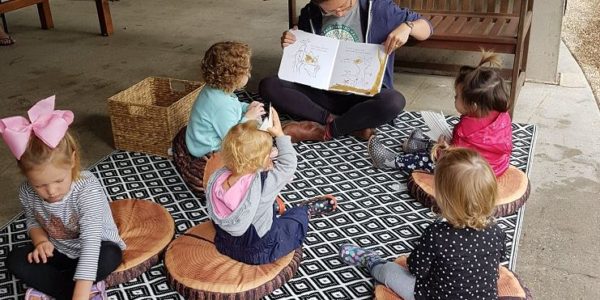
toddlers sat on a mat reading a book with a teacher

How to get your child’s attention in an often distracting world

We love the idea of our children being inquisitive and intrigued by the new and challenging. We promote their seizing of every learning opportunity to grow their knowledge, helping them to become intelligent, strong, self-determined individuals. It makes us feel proud and think to ourselves; “that’s a job well done”.

However, by promoting this investigative nature it can become difficult to get and keep their attention as they daydream and deeply explore their surroundings  – completely engrossed in a new adventure. Subsequently you may find yourself fighting to keep them on task and getting things done. This is compounded by the digital stimuli that now often fill our homes, culminating into one majorly frustrated, exasperated parent!

So what can you do to get and keep their attention?

4 Tactics To Help Get Your Child’s Attention

1. Don’t Yell – Be Quiet (ssshh)

They are happy in their own world, perhaps perfecting a new skill or creating a new game. Shouting to gain their attention is a stark contrast and may confuse them as they fail to realise the dynamics of the situation. By whispering they will have to focus to hear what you are saying, bringing them back to planet earth! It will also help to get eye contact by moving down to their level (see tip 3!)

woman holding finger to mouth going sssh


  1. Do Something Unexpected

By making a silly noise or starting the clapping game you can quickly create a new exciting event that is worthy of your child’s attention Give them a reason to break away from whatever is consuming their attention and focus on you.   

child shocked
  1. Get On Their Level

By physically moving down to their level and gaining eye contact, you are immediately connecting with them. There is no need to be intimidating in this situation and stand tall – remember they may not realise they are being rude. Reasoning through helping their understanding will provide much better results in the long run (and less tantrums!).

dad looking at toddler
  1. Be Fair By Providing A Clear Communication Of Expectations & Boundaries

Being told to explore but only when it “suits” mummy or daddy can be quite an unfair scenario when you consider it from a child’s perspective. By clearly communicating play time parameters (the amount of time and where) you can start to establish boundaries and explain when these have been breached. The concept of providing attention can then be grounded in a reality and a consistent teaching they understand. Your child will begin to understand that there are times when it is acceptable to be at one with their own thoughts and 100% engaged with a task, and other times when they must break away and give their attention to something, or somebody, else. Our Stay & Play and Group Workshops help to teach these relationship dynamics and the importance of providing attention.  

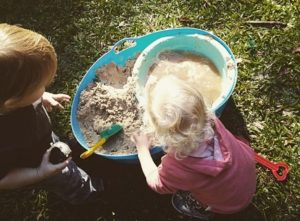
children playing with toys in washing up bowl

Final Word

Talking to a brick wall is frustrating – but shouting isn’t the answer. Repetition of the right tactics is key in gaining your child’s attention without frustration and tantrums. Find what works for your child and practise – but do not be frightened to mix it up (repeating the same tactics may lose there effect as there impact diminishes). In time they will recognise that concentration is fine but attention needs to be provided to their caregiver at appropriate times. Setting clear playtime boundaries can help define what and when this is.  

Stay calm and good luck!

Want more info?

Get in touch below or at hello@learningbeyondwalls.com with any questions & queries!